

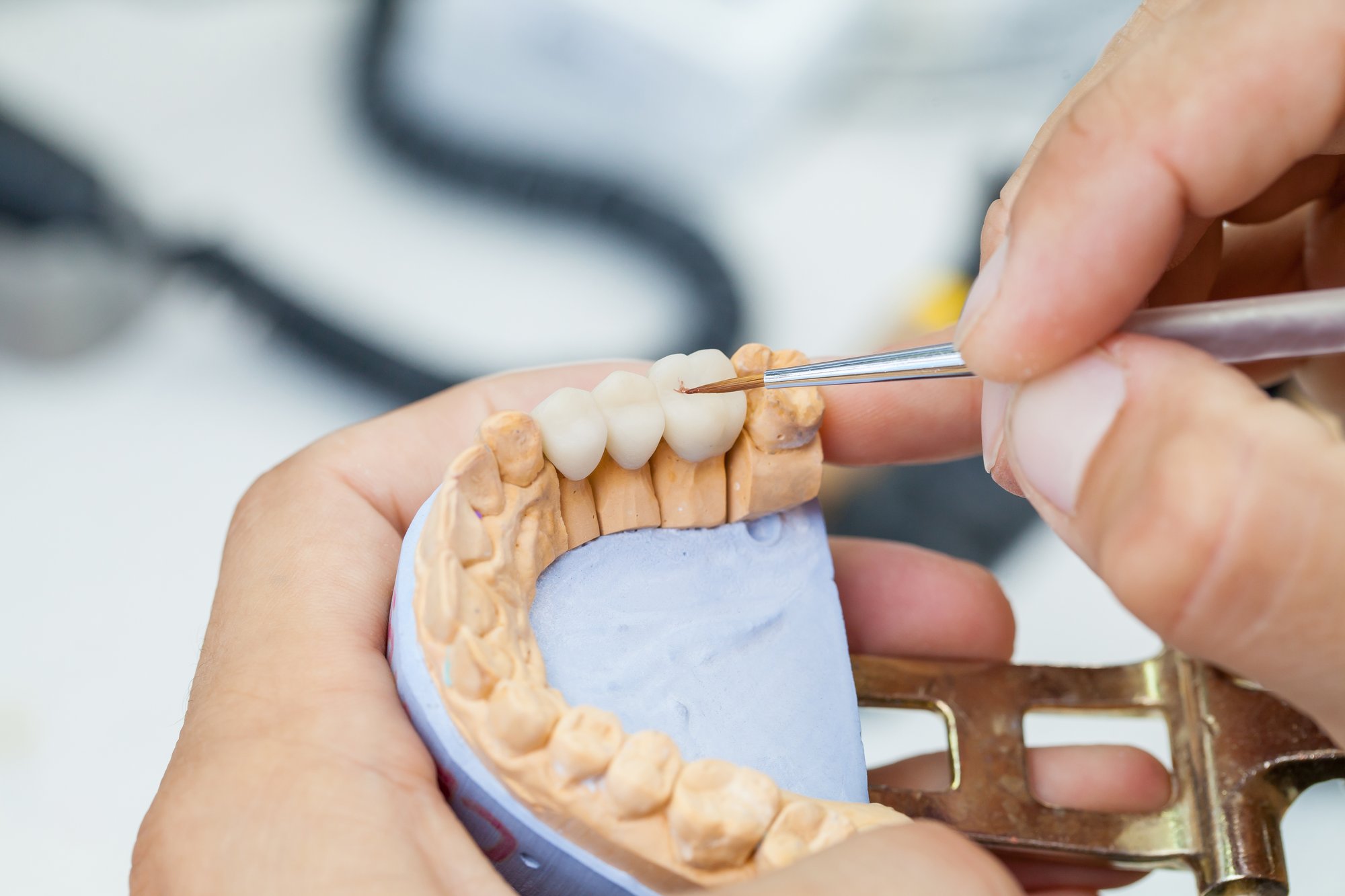
Got a cavity too big for a simple filling but not bad enough for a crown? An inlay may fit. An inlay can be better than a filling when a tooth has more damage than a filling can safely hold. Inlays and onlays are custom-made pieces that fit into or over a tooth to repair it. Knowing when to choose one helps you protect the tooth for years. An inlay is a middle step between a small filling and a full crown. It fixes damage that is too big for one but too small for the other. Knowing the difference can save your tooth.
Key Takeaways
- An inlay is a custom piece made in a lab that fits inside a tooth to repair larger damage.
- It is stronger than a regular filling and typically lasts several years longer.
- Inlays suit a tooth too damaged for a filling but not damaged enough for a crown.
- Because the piece is lab-made, getting an inlay usually takes two appointments.
- An onlay works the same way but also covers the raised edges of the tooth.
What Is an Inlay?
An inlay is a custom-made filling. Instead of being shaped in your mouth, it is made in a lab to fit your tooth exactly. According to the Cleveland Clinic, inlays are indirect fillings used when a tooth has too much damage for a regular filling but not enough for a crown. The inlay fits into the tooth like a puzzle piece. Then it is bonded firmly in place. Because it is made in a lab, it fits snugly and lasts a long time. It is usually made of tooth-colored porcelain or a strong resin, which makes it hard to tell from a natural tooth. It also seals the tooth against new decay, so it is a comfortable, natural-looking repair.
When Is an Inlay Better Than a Filling?
It depends on how much of the tooth is damaged. In the inlay vs filling choice, a filling works best for small cavities. When the damage is larger, a regular filling can weaken the tooth or fall out over time. An inlay is stronger and supports the tooth better. So for a bigger cavity, an inlay is often the smarter pick. A large filling can leave the tooth weak at the edges. An inlay spreads the pressure of chewing more evenly, which helps the tooth resist cracks. For a tooth that takes a lot of force, this matters, and a dentist checks the damage and recommends the best fix.
How Is an Inlay Placed?
Getting an inlay usually takes two visits. At the first visit, the dentist removes the decay and takes a mold or scan of the tooth. A lab then makes the inlay to fit exactly. At the second visit, the dentist bonds it into place and checks your bite. Some offices with special machines can do it in one visit. A temporary filling may protect the tooth between visits. The dentist makes sure the color and bite feel right. Once bonded, the inlay is ready to use, and you can eat normally soon after.
What Is an Onlay?
An onlay is a close cousin of the inlay. A dental onlay repairs the same kind of damage but also covers one or more of the tooth’s raised edges, called cusps. This makes it a good choice when the damage reaches the biting surface. An onlay protects more of the tooth than an inlay. It is sometimes called a partial crown. It saves more of your natural tooth than a full crown would. That is a big plus, since keeping natural teeth is always the goal. An onlay is a strong, tooth-saving fix.
How Long Do Inlays Last?
Inlays are built to last. With good care, they can protect a tooth for many years, often longer than a regular filling. Brushing, flossing, and regular checkups help them last. Avoid chewing very hard foods that could crack them. A well-made inlay is a strong, long-term fix. Many last ten years or more with good care, which is often longer than a regular filling. Treating them gently helps them go the distance.
Frequently Asked Questions
Is an inlay the same as a filling?
Not quite. A filling is shaped in your mouth in one visit, while an inlay is custom-made in a lab and bonded in. Inlays are stronger and used for larger damage.
Does getting an inlay hurt?
No. The area is numbed, so the process is comfortable. You may feel mild sensitivity for a day or two afterward.
Are inlays worth the cost?
For the right tooth, yes. They cost more than fillings but last longer and protect the tooth better, which can save money over time.
The Right Fix for a Bigger Cavity
An inlay is often better than a filling when a tooth has too much damage for a simple fix. It is stronger, lasts longer, and supports the tooth well. Inlays and onlays are a great middle step between a filling and a crown. When a cavity has outgrown what a filling can safely hold, an inlay protects the tooth and helps you avoid bigger work later.
- If you want to learn more about when an inlay is better than a filling, visit our Inlays & Onlays in Oxnard, CA, page or schedule a consultation.